7 April 2026

MEDIA RELEASE

With an innovative social franchise model, SmartStart is providing early childhood education for South Africa’s children—and economic opportunity for communities 

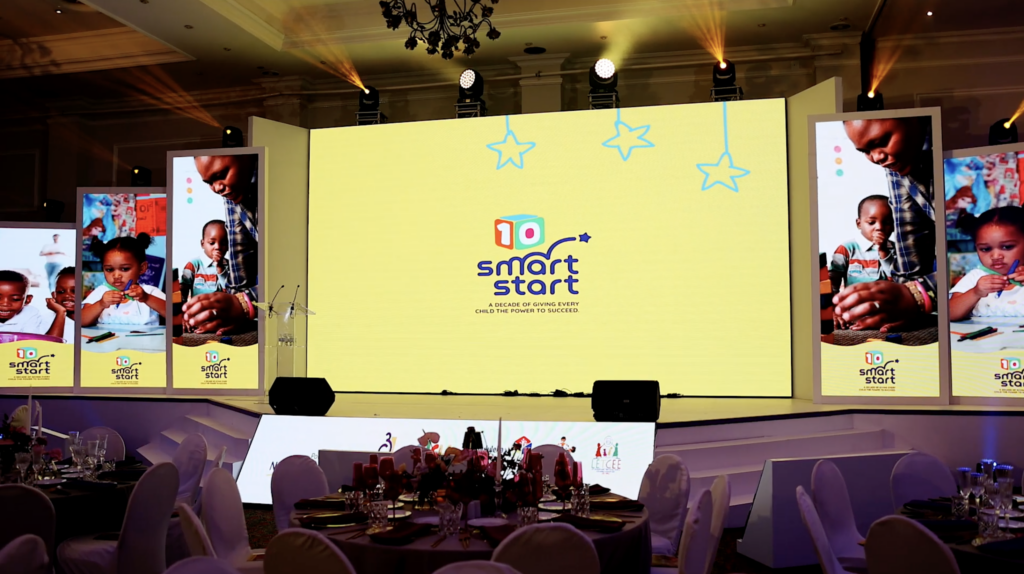
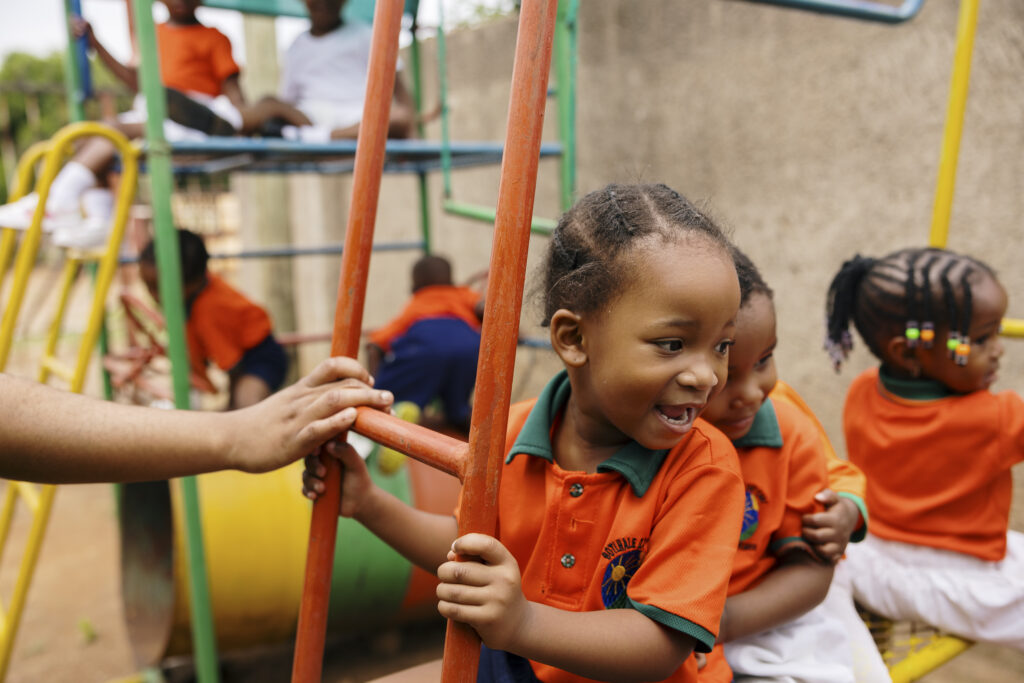
Washington, DC, April 7, 2026—Today, the Skoll Foundation announced SmartStart as one of the three organisations that will receive the 2026 Skoll Award for Social Innovation. The award provides unrestricted support to nonprofit organisations with a proven track record of advancing transformational social change on intractable global issues.   

Through innovative public-private partnerships, thoughtful community integration, and systems-level thinking, the 2026 award winners are driving measurable progress on child health in Pakistan, early learning and development in South Africa, and civic technology and public benefits access in India. Together, these remarkable organizations are advancing a sustainable world of peace and prosperity for all.  

The Foundation will present the awards and celebrate the leaders of each recipient organization during the 23rd annual Skoll World Forum, held April 21–24 in Oxford, U.K. and online. The Awards Ceremony will take place Thursday, April 23, from 5:00–6:30 p.m. BST at the New Theatre in Oxford and via livestream. Click here to register to attend the Forum online, or email press@skoll.org to request a press pass to attend the Forum in person. 

“This recognition strengthens our resolve to tackle poverty at its roots, because there is no way we can put up a fight against poverty without working on the system as a whole,” said CEO Grace Matlhape. “Early childhood development is one of the most powerful levers we have to break the cycle of intergenerational poverty, and this award helps us deepen and scale that work. The recognition truly belongs to the thousands of women in the SmartStart network and to our implementation partners, whose hard work and commitment are changing children’s lives every day.” 

“This year’s winners of the Skoll Award for Social Innovation prove that when bold, creative leaders set their sights on a problem, their resolve and commitment lead to global systems change. Through innovative partnerships with affected communities and cross-sector collaboration, they are driving impact and lasting change in the fields of health, education, and public benefits,” said Marla Blow, CEO & President of the Skoll Foundation. “Even in the face of profound shocks to the social impact space, these organizations are not simply maintaining their impact; they are increasing it exponentially. We hope their stories will inspire other social entrepreneurs to continue their pursuit of transformational change.”    

More details about SmartStart: 

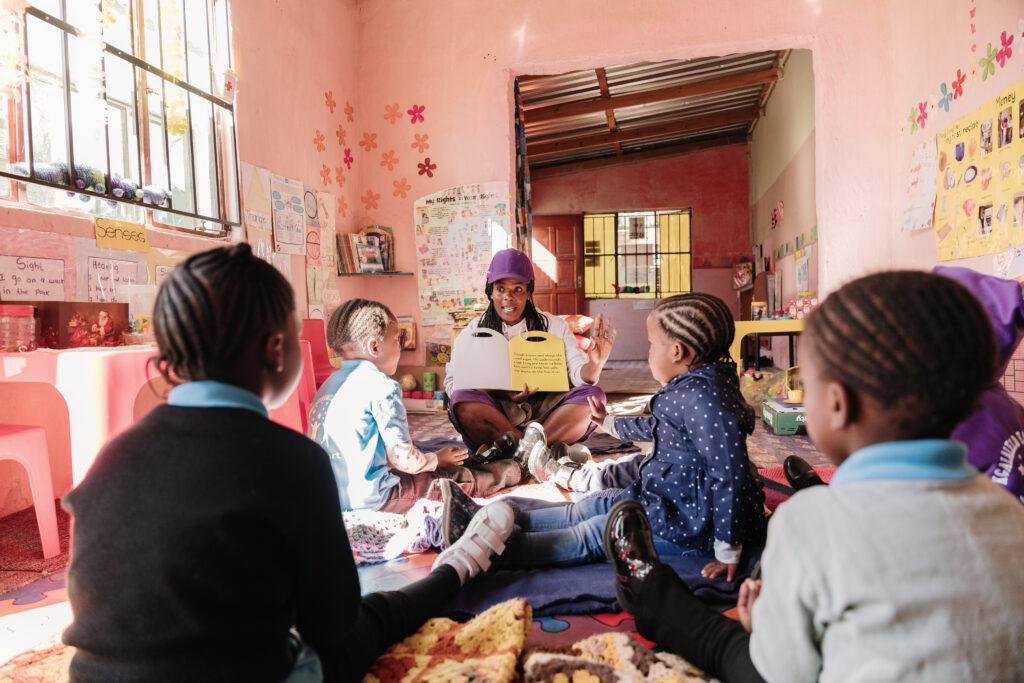
High-quality early childhood care and education boosts child outcomes, creates new jobs and enables parents to work. Yet in South Africa, over one million 3- to 5-year-olds don’t have access, perpetuating the economic exclusion of poor communities. SmartStart’s model enables underemployed community members to convert their homes and community spaces into licensed early learning enterprises for excluded children. By combining training, materials, coaching, compliance support and peer networks, SmartStart’s social franchise model makes quality early learning affordable, accessible and community-owned. At the same time, the model unlocks stable, dignified livelihood opportunities for thousands of microentrepreneurs. Through deep collaboration with government and other partners, SmartStart has grown into South Africa’s leading early learning network, with 15,000 programs currently reaching 160,000 children per week. The organization is now building the systems, capabilities and partnership to grow its impact beyond its direct delivery footprint and reach 1 million children by 2030.   

About the Skoll Foundation: 

The Skoll Foundation catalyzes transformational social change by investing in, connecting and championing social entrepreneurs  and other innovators who support them who are advancing bold, systemic solutions to the world’s most pressing problems. In 2025, the Skoll Foundation directed nearly 80 percent of its funding in support of global social entrepreneurship, with 55 percent directly reaching its community of Skoll Awardees and other social entrepreneurs.

For more information, please contact:     

Marietjie Engelbrecht, marietjie@smartstart.org.za 
Rachele Hayward, rachele@resource-media.org 
8 March 2026

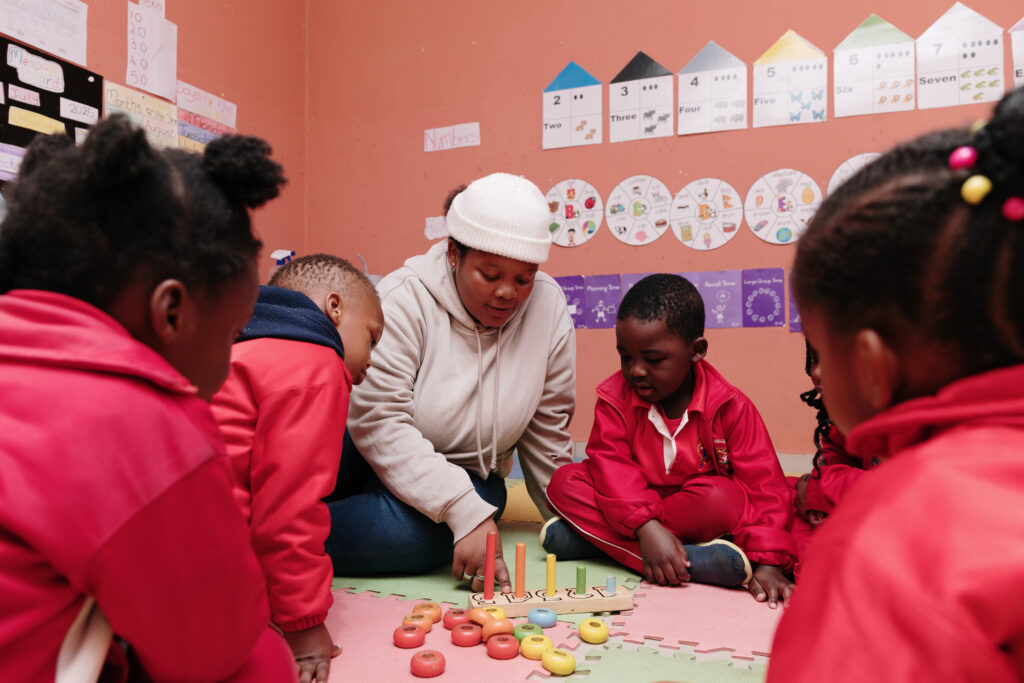
SmartStart owes its success over the last decade to leadership that understands the power of people. Grace Matlhape, our Chief Executive Officer, believes that early childhood development is more than policies and programmes. It is about tapping into the power of over 24 000 overlooked women as changemakers. Recognised by Chief Women Leaders for International Women’s Day as a leader driving real impact, Grace, along with the leadership of SmartStart’s implementing partners have, through their shared vision, transformed homes in South Africa’s low-income, underserved communities into learning hubs that reach 160 000 children weekly through 15 000 practitioners – proving that when leadership trust communities, both child outcomes and economic empowerment scale with minimal effort. Read the full story

10 December 2025

SmartStart’s home-based early learning model is garnering the attention of international audiences. High-level delegations from Ethiopia and Uganda visited Johannesburg to explore how we empower women in the lowest-income communities to deliver ECD at scale without costly infrastructure.

Ethiopian delegates learn scalable ECD model

During August, Ethiopia’s School Readiness Initiative (ESRI) Executive Director Mr. Menelik Desta Argaw and Dr. Atsede Teklehaimanot, Head of the Developmental and Behavioural Paediatrics Unit at Addis Ababa University’s Tikur Anbessa Specialized Hospital, visited SmartStart sites around Johannesburg.

ESRI trains pre-school teachers and parents for holistic child development, alongside health screening, mental health support, and mother empowerment programmes. Over two days, they delved deeply into how our almost 15 000 practitioners transform their homes and community spaces such as churches and community halls into learning hubs that reach over 150 000 children weekly and how this would work in the Ethiopian context.

Ugandan Ministry benchmarks ECD policy practice

In November, Uganda’s Ministry of Education and Sports Pre-Primary Division, facilitated by ELMA Philanthropies, met with the Department of Basic Education (DBE) and spent time examining SmartStart’s policy-practice interface.

Delegates praised the quality of our home-based programmes, discussing government’s dual role as regulator while enabling community assets. SmartStart showed how lowered regulatory barriers turns community women into ECD practitioners serving excluded children.

Both delegations validated SmartStart’s core logic:

  1. Leveraging existing homes and community spaces, recognising the strength inherent in communities.
  2. Empowering women to create sustainable ECD enterprises that are changing children’s development and learning outcomes in real time.
  3. Using digital technology and peer networks to scale affordable early learning in low-income communities across the country.

While Ethiopia seeks civil society adaptation and Uganda explores policy reform, delegations from both countries recognise SmartStart’s potential as a Global South blueprint for universal ECD access.

25 November 2025

South Africa stands at a crossroads in early childhood care and education (ECCE). The 2030 Strategy for ECD Programmes, Children’s Amendment Bill, mass registration drive, and rising public investment signal real political will for universal access. SmartStart proves home- and community-based programmes can reach excluded children at scale.

Yet fragmentation stalls progress given regulatory complexity, undervalued practitioners, uneven access, and siloed efforts across government, NGOs, and communities.

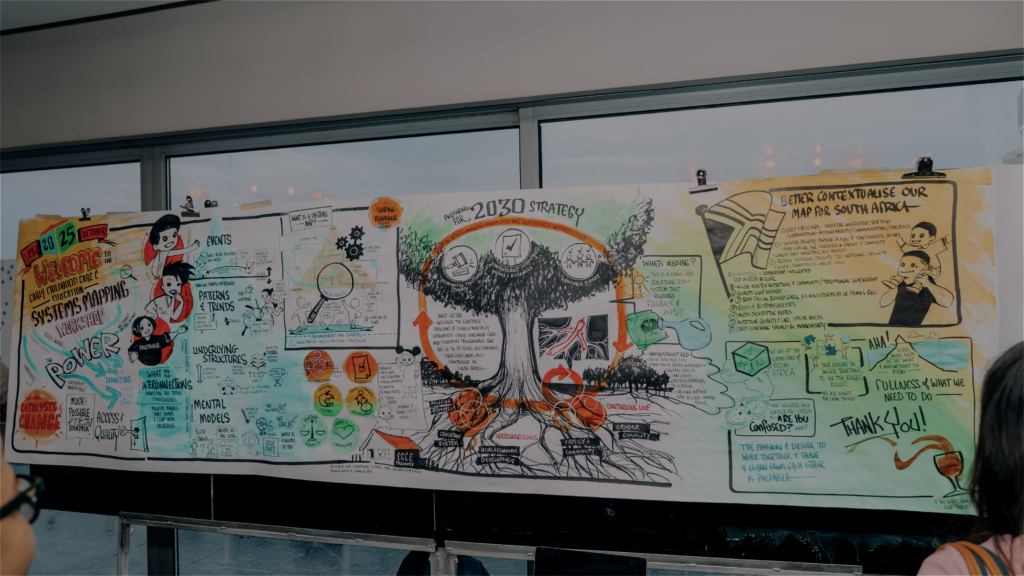
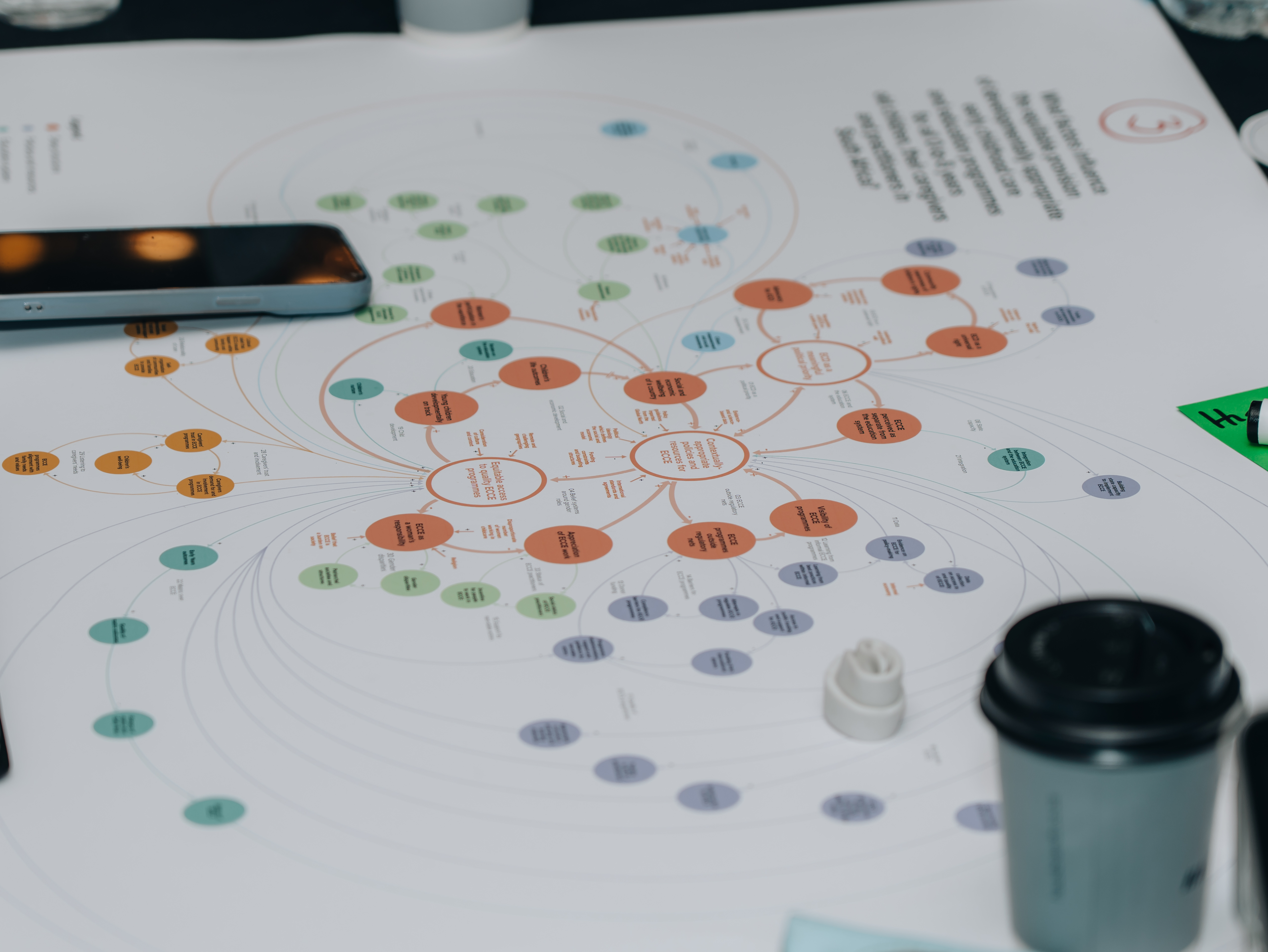
Systems mapping workshop

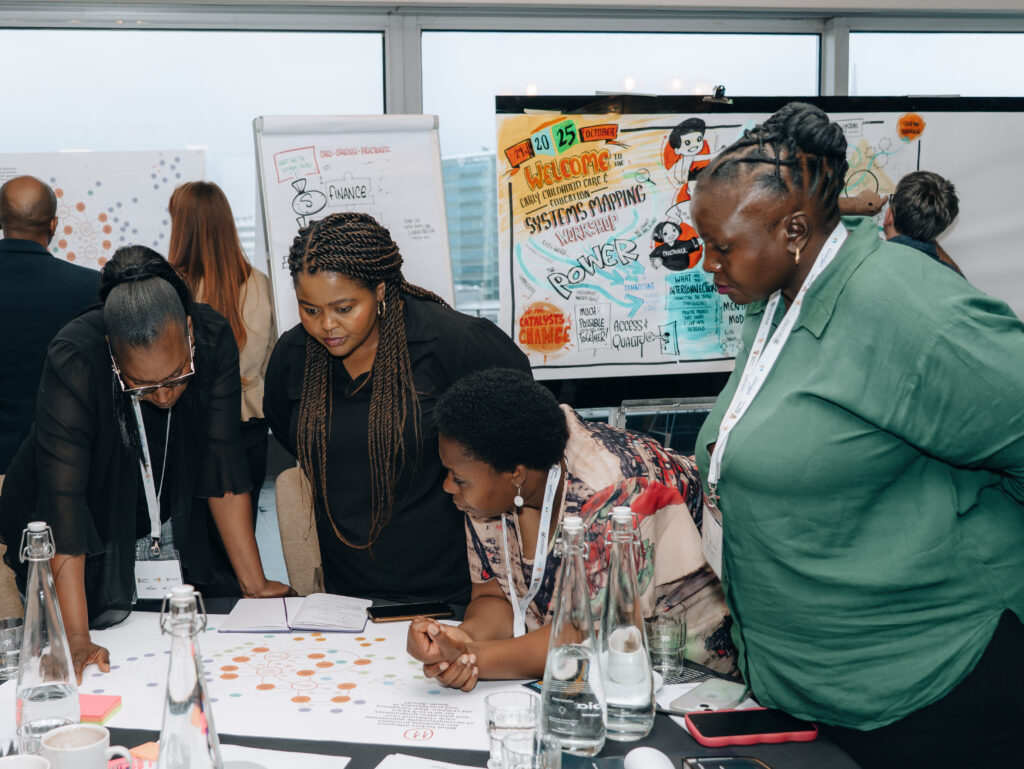
SmartStart co-hosted a landmark ECCE Systems Mapping Workshop in Johannesburg with the Department of Basic Education (DBE), Ilifa Labantwana, Harambee Youth Employment Accelerator, and ECDAN. Over two days, diverse voices of practitioners, parents, officials, funders, academics, and global peers from India and Peru, decoded coordination barriers using systems thinking.

Looking beyond symptoms using the iceberg model

Traditional fixes treat ECCE symptoms in isolation: build more crèches, train more practitioners, advocate for more policy. Systems thinking dives exposing:

  1. Events (what we see)
  2. Patterns (what repeats),
  3. Structures (what enables them)
  4. Mental models (deep beliefs).

Realities surfaced

During the workshop participants shared insights into their realities. Practitioners expressed feelings of chronic undervaluation as care work is often seen solely as “women’s work” or unskilled labour and as such, remuneration is woefully inadequate and they often find themselves buried in red tape without support. Caregivers highlighted economic pressures, safety fears, transport barriers, and gendered child-rearing norms as highly influential in their daily choices. Participants also identified the compounding nature of inequality for children, especially those with disabilities, that often, early barriers are ignored and that formal Grade R is often seen as the “real” start. These are not isolated issues but interconnected feedback loops.

Using a global ECCE systems map, a causal-loop diagram that shows how different factors interact, reinforce one another, and shape how ECCE operates in South Africa, participants surfaced different experiences, tested assumptions, and explores ways of achieving more coordinated, high-leverage action across the ecosystem. Through its close interrogation, participants surfaced gaps on the map, including:

  • Deep structure blind spots: Family practices, social norms, nutrition/security basics underrepresented as the map leans heavily on law, policy and political priority.
  • State vs. reality: Map assumes formal capacity while ECCE in South Africa leans heavily on informal/non-state actors.
  • Naming the exclusion: Migrant and other undocumented children, child-headed households, disabilities need explicit focus that reflects the unique challenges of each group, not a misnomer such as “vulnerable children”.

Participants did not limit their engagement to just diagnosing the problem, but proposed necessary high-leverage changes:

  • Stronger national-provincial-local alignment as well as state-NGO collaboration for registration or compliance support.
  • Better wages, stability, career pathways, mentoring and professional support through existing mechanisms such as Social Employment Fund (SEF), SETAs and other funding streams
  • Two-way information flows between policymakers and practitioners are needed, ensuring that decisions are informed by what is happening on the ground.
  • Mapping “who does what” to cut duplication, and leveraging shared assets such as curriculum, training materials and digital tools.
  • Engage parents/local leaders to shift norms, build demand. Participants emphasised the need to move from designing for communities to working with them, ensuring that local voices influence decisions about resources, programme design and implementation.

The workshop made one truth impossible to ignore: progress will not come from doing more of the same. It will come from organising ourselves differently, listening differently, and widening the circle of who shapes solutions.

Real transformation will require working alongside those who influence other parts of the system – feminist and labour movements, unions, local leaders, community networks, government departments we rarely bring into ECCE conversations and many others – recognising that early learning does not live in a silo, and neither should we.

25 November 2025

SmartStarters Unite provincial events across the country built momentum for the Power Circle: Children, Women, Community, a landmark SABC 2 special broadcast celebrating 10 years of SmartStart and the broader early childhood development sector’s potential through united action.

The national finale showcased collective leadership transforming ECD when women, parents, communities, government and social partners align. The Power Circle elevated SmartStarters Unite from local celebrations to national conversations.Featuring voices from the entire ECD ecosystem (provincial municipalities, traditional leaders, parents, teachers), it showcased live panels and stories – proving that collective action unlocks child potential.

24 November 2025

SmartStarters Unite events across all provinces brought together thousands of SmartStarters, parents, children, partners, ECD forums, traditional leaders, government stakeholders, and communities to honour 10 years of SmartStart transforming South Africa’s ECD landscape.

Nationwide celebrations, local stories

From East London to Durban, hundreds of awards celebrated outstanding SmartStarters and their clubs. SmartStarters shared moving testimonies of personal transformation – from humble beginning in their living rooms to community leadership – proving women closest to the challenge deliver its greatest solutions.

Strategic partnerships powered 10 events

Provincial SmartStarters Unite events were held in collaboration with:

  1. Eastern Cape – Khululeka and Siyakholwa Development Foundation
  2. Free State – Lesedi Educare Association
  3. Gauteng – Lima Rural development and Siyakholwa Development Foundation
  4. KwaZulu-Natal – Letcee, Project Preparation Trust (PPT) and Training and Resources in Early Education (TREE)
  5. Mpumalanga – Penreach
  6. Northern Cape – 3L
  7. Western and Southern Cape – ELRU and Little Seeds
  8. Limpopo and North West – Provincial SmartStart branches

Province-by-Province highlights

Gauteng: Men breaking ECD stereotypes

Orlando East, Soweto in front of 3 000 attendees, Moremane Derick (Atteridgeville) and Siyabonga Mndebele (Orange Farm) challenged male underrepresentation. “Caregiving isn’t women only work, they stated, calling for greater male recruitment to shift perceptions.

Free State: Grace Matlhape’s partnership vision

SmartStart CEO Grace Matlhape attributed the organisation’s decade-long success to collaborative partnerships while flagging that 1.3 million children still lack access. “ECD is everyone’s responsibility, not just government’s.”

Eastern Cape:

Tafara Shuro (Siyakholwa) honoured SmartStarters’ sacrifices reaching remote areas.Mary Venter (Siyakholwa celebrated sustainable futures via regional hubs.

Mpumalanga: ECD coordinator calls for unityThembi Nkadimeng (Nkangala ECD Forum) invited SmartStarters to join the forum saying, “If we stand for children, we need to unite”.

Northen Cape: Community growth

Councillor Arlene Bosman (Sol Plaatjie) said she was “looking forward to welcome more ECD practitioners to grow Northern Cape children.

Western Cape: The foundation is “love”

SmartStarters Maria Viewer (Mangaliso, George): “With love, anything is possible.” and Elsabe Speelman (Mandela Village), who sheltered children during eviction protests, “I became a light in dark times.”

KZN and Limpopo: Traditional leadership shows support

Ndlunkulu Mamohale Buthelezi highlighted the importance of cultural preservation in early learning, noting the role of indigenous language, storytelling, and singing in nurturing good citizenship among children.

Chief Humprey Magakula: “If we had ECD programmes like this in the last 30 years, we as a nation would have been much further.” He called for traditional, government and community partnerships for accelerated ECD access.

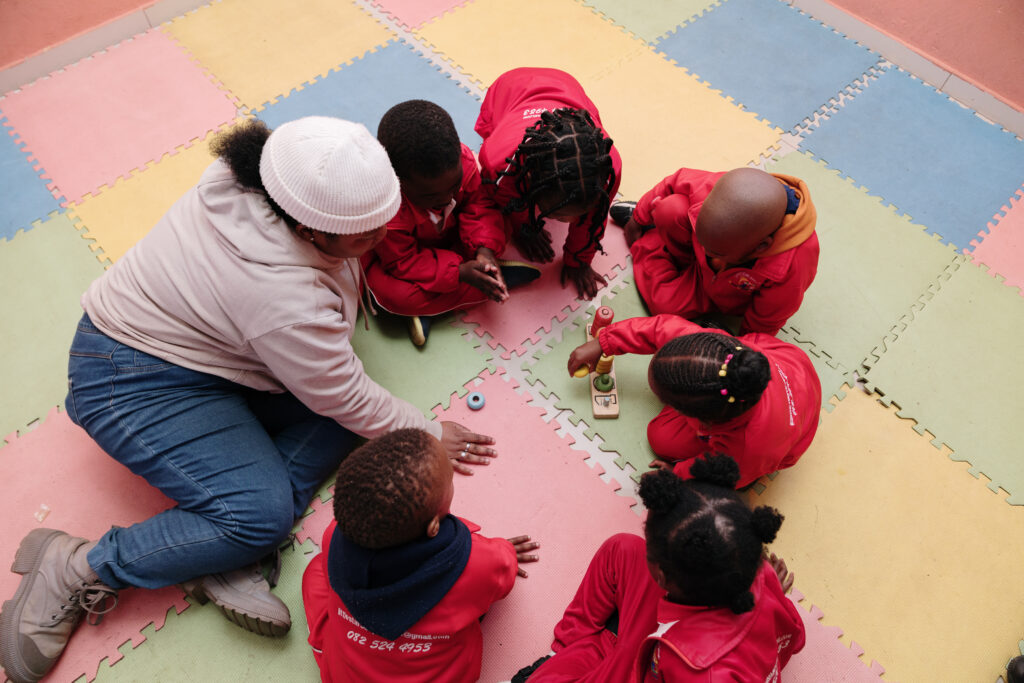
Over 15 000 SmartStarters operate in low-income areas where little to no early learning services are available. Using their homes and other community spaces, women (and some men) from these communities – with training and support – establish early learning enterprises to serve excluded children with dedication, understanding the profound impact on children, families and their communities.

25 August 2025

SmartStart’s Week of the Stars conference at the Indaba Hotel in Fourways, Sandton, brought together 12 implementing partners, frontline staff such as call centre agents, coaches, hub personnel, programme leads, and trainers to celebrate 10 years closing South Africa early learning gap in quintiles 1 and 2 communities.

The Night of the Stars awards recognised partner organisations and individuals whose exceptional performance has propelled the network forward, and drives 15 000 SmartStarters who server over 150 000 children weekly.

Four-day gathering

On days 1-3, workshops tackled shared challenges with frontline staff and partner leadership collaborating on solutions.

Night of the Stars awards gala was hosted by Nicole Biondi and honoured SmartStart’s partners organisations and standout individuals. The evening’s keynote was delivered by Kulula Manona, Chief Director: Foundations for Learning at the Department of Basic Education. She emphasised Early Childhood Development’s (ECD) critical role in national progress, affirming the vital contributions of private and social sector partners. “Never for once think we do not know who the real champions are for this work and what has been achieved for children,” she said, underscoring the foundational strength these collaborations build for South Africa’s future.

Voices from a decade of transformation

Marking SmartStart’s 10th anniversary, the event featured powerful reflection from key figures. Ntjantja Ned, Director of Masoleng Rising, recalled the founding vision of partnering closely with government, municipalities, and communities “to meet children where they are.” David Harrison, CEO of the DGM Trust, described the network as “a collective brain and neural system creating consciousness about children” in society.

Mary Venter, Executive Director of Khululeka, highlighted the untapped potential within partnerships: “The true power of this partnership can only be realised if we all unlock our own potential, she said” expressing gratitude to every contributor driving the organisation’s success. SmartStart CEO Grace Matlhape echoed this sentiment, stressing a shared commitment to quality ECD provision and the “once in a lifetime opportunity” to reimagine collaboration. She thanked partners for their decade-long trust and outlined SmartStart’s future as an “open network for public good” poised to deliver universal access to quality early learning for every child. 

Week of the Stars served as an important bridge in SmartStart’s landmark year, connecting to provincial SmartStarters Unite celebrations. Through these gatherings, the network honoured not only its past achievements, but also charted a bold path forward.

5 July 2025

Over the last decade, SmartStart’s has achieved remarkable growth, evolving from a modest network of franchisees serving a few thousand children into a powerful national collective. Today, the organisation partners with 12 implementing organisations to empower over 15 000 practitioners, delivering quality early learning to more than 150 000 children every week across South Africa’s underserved communities.

A journey of scale and innovation

What began with four playgroups has become a pioneering force in early childhood development, reshaping the conversation around early learning as both a societal priority and economic necessity. SmartStart’s social franchise model taps into the strengths of local communities, training under-employed women to establish social enterprises in their homes and community spaces. This approach reaches children right where they are, proving that affordable, community-led solutions can deliver profound results without massive infrastructure investments. We have demonstrated resilience and innovation, adapting through challenges such as the COVID-19 pandemic and adjusting our model to reflect learning and to better position us for scale. Crucially, we have built strong partnerships with government, creating new opportunities to build systemic delivery solutions, and to dismantle the structural barriers that undervalue the assets of low-income communities.

Proven impact and child outcomes

At the heart of our approach is a deep respect for community wisdom. Women in townships and rural areas, often overlooked, now run sustainable early learning programmes with SmartStart’s training and support, fostering not just child development but also economic empowerment for families. Recent child outcomes evaluations underscore this success, revealing significant developmental gains for children in SmartStart programmes, alongside a substantial narrowing of the achievement gap between children from high- and low-income children.

Our vision for the next decade

Looking ahead, SmartStart aims to evolve into an open platform that strengthens the entire early learning ecosystem. By sharing our assets as public goods, we will maximise agency for practitioners, parents, and partners, extending our model across South Africa, and beyond. This shift from a closed network to a collaborative ecosystem catalyst and enabler promises even greater scale, ensuring that early learning becomes a cornerstone of national progress.

10 March 2025

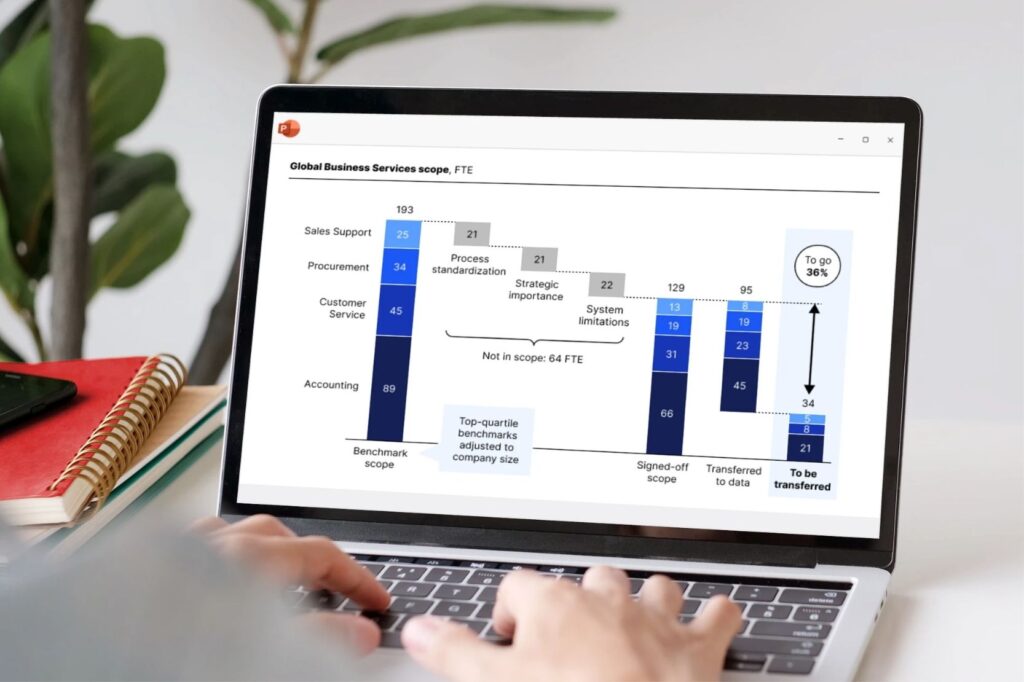
Are you having difficulty presenting complex data? SmartStart uses think-cell, a Microsoft PowerPoint and Excel add-in software with dozens of features that enable users to quickly create complex data-driven charts, maintain a presentation’s structure with auto-updating agendas, and consistently round numbers in Excel sheets.

think-cell also makes it is possible to create professional charts such as waterfalls, Marimekkos and Gantts within a few minutes, and to automatically update them from linked Excel data. The agenda-building capability is similarly automated—maintaining a complete agenda in PowerPoint functions in the same manner as a table of contents in a good word processor. The Excel add-in enables consistently rounded numbers across both complex calculations and multiple work sheets.

For detailed information on think-cell and its features, or to get a better idea of how it works, visit www.think-cell.com.

Usage Terms

think-cell offer their software for FREE to academic or non-profit organisations, if the software is used for education, public research or their direct non-profit core operations only.

Contact

If you are eligible and agree to the Usage Terms above, please email sales@think-cell.com for more information. 

19 February 2025

The SmartStart network’s landmark new study, shows that early learning programmes run in homes and community venues such as churches and halls are boosting development and learning outcomes for children.

The network comprises 13 implementing partners which, together, support more than 15 000 early learning practitioners to reach over 150 000 children across South Africa each week. With this kind of scale, in 2023 a team of independent researchers gathered data on outcomes for children in SmartStart early learning programmes, to investigate whether the positive impacts identified in a 2018 evaluation, three years after SmartStart’s establishment, were being maintained. 

The researchers tracked the progress of 551 children in 325 SmartStart programmes over eight months, using the Early Learning Outcomes Measure (ELOM) – making it the largest study of its kind to date in South Africa. They found that the proportion of children “on track” increased by a remarkable 20 points from 45% to 65%, while the proportion of those “falling far behind” nearly halved. This meant a dramatic reduction in the achievement gap between children from low- and high-income households, falling from 25 points to just six points.

These results tell two stories:

  1. Every child has infinite potential: Regardless of their background, every child in South Africa can thrive when given the opportunity of quality early learning. It is therefore our responsibility as a society to ensure that this potential is fully released.
    1. Women are powerful change agents:  Thousands of underemployed women in low-income communities are the unlikely heroes – or perhaps the likely heroes – of this study. With basic training, they are delivering powerful outcomes for children.

In some ways, these findings upend conventional notions of “quality” in early learning. Quality is not about shiny infrastructure; it is about simple, everyday practices: nurture, talk, and play. This “alchemy” fuels brain development, physical growth, and emotional wellbeing.

SmartStart’s approach is underpinned by a deep respect for the inherent strengths of communities – and a commitment to make them count. In practice, this means capacitating local, underemployed women in low-income areas, to use available venues to host quality early learning programmes. Most are in homes, often in converted extensions, while some use

These results matter because at a sector leadership summit in March 2025, the President announced that early childhood development was a national priority. The government committed to universal access to early childhood development as far back as 2010, but more than one million new places in early learning programmes are still needed to achieve this. This scale of task requires new solutions, which are pragmatic, affordable and immediate. So, if an early learning delivery platform focused on home and community-based settings in low-income communities can shift outcomes for children as it goes to scale, it strongly signals the path to equitable, quality access. And this understanding should in turn inform more enabling approaches to government regulation and funding.Poverty is not attractive. Our justified rejection of unacceptable living conditions however, should not mean a rejection of the dignity and possibilities that people create for themselves and their communities in these contexts. When we pay attention to the value of what is already there, and focus on assets – such as capable women, home and community venues and informal economic activity – rather than scarcity, the opportunities for transformation are endless. Far from being considered an inferior form of provision, quality early learning programmes in homes and community venues should be elevated as today’s solution for today’s children